Understanding Pushchairs and Prams: A Comprehensive Guide
When it concerns baby mobility, the terms "pushchair" and "pram" are frequently used interchangeably. Nevertheless, they represent unique kinds of baby providers, each crafted for particular stages of a kid's development and varied parental requirements. Pushchair And Pram explores the important differences in between pushchairs and prams, their functions, types, and considerations for new parents.
What is a Pushchair?
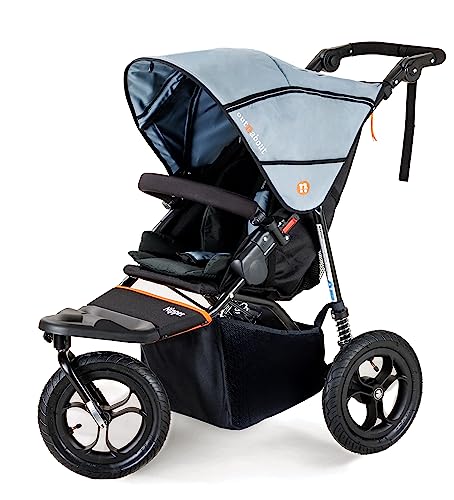
A pushchair, typically known as a stroller in some areas, is developed for kids who can stay up separately. Usually, pushchairs are modern, lightweight, and have a seat that can be reclined for added convenience. They might also include a five-point harness to ensure the child's safety while on the go.
Secret Features of Pushchairs
- Lightweight Design: Most pushchairs are made from lighter products, making them easy to maneuver and transfer.
- Adjustable Seats: Many designs provide recline alternatives, dealing with resting or active positions.
- Canopy: Most pushchairs come geared up with a sunshade or canopy to secure the child from sun direct exposure.
- Storage Space: They normally consist of a lower storage basket, best for holding diaper bags or shopping.
Typical Types of Pushchairs
- Standard Pushchairs: Traditional options ideal for kids who can sit individually.
- Umbrella Strollers: Lightweight, compact, and simple to fold; suitable for traveling.
- All-Terrain Strollers: Built with larger wheels for off-road abilities and smooth trips on diverse surfaces.
- Travel Systems: Combines a stroller and a baby safety seat, allowing moms and dads to move their kid flawlessly.
What is a Pram?
A pram, brief for "perambulator," is mainly designed for infants, typically from birth till around 6 months. Prams are structured with a flat lying position that supports a newborn's anatomy, guaranteeing they are nestled properly.
Key Features of Prams
- Flat Bed Design: Prams have a totally flat bed, which is important for young babies who need to lie flat for convenience and health.
- Stylish Aesthetics: Many prams boast vintage or traditional styles, often seen with luxurious fabrics and attractive surfaces.
- Suspension System: Quality prams frequently include a suspension system to offer a smoother trip over rough terrain.
- Extended Canopy: Extended sun protection and rain covers prevail.
Common Types of Prams
- Classic Prams: Featuring a conventional style, these are often styled to stimulate fond memories.
- Convertible Prams: These can quickly change from a pram to a pushchair and usually grow with the kid.
- Lightweight Prams: More compact than conventional prams, making them much easier to carry.
Distinctions Between Pushchairs and Prams
| Feature | Pushchair | Pram |
|---|---|---|
| Usage Case | For kids who can stay up | For newborns and babies |
| Design | Upright seat with reclining option | Flat bed for resting |
| Weight | Normally lighter | Heavier due to durable building and construction |
| Compactness | Folds easily and compactly | Might be bulkier, depending on style |
| Age Range | 6 months to 4 years or older | Birth to around 6 months |
| Cost Range | More affordable alternatives offered | Often more costly due to products and design |
Picking Between a Pushchair and Pram
When selecting in between a pushchair and a pram, a number of elements necessitate factor to consider:
- Age of the Child: Newborns need a pram; older babies and toddlers will be more comfortable in a pushchair.
- Lifestyle Needs: Parents who travel typically might choose lightweight pushchairs, while those searching for convenience in design may lean towards prams.
- Budget plan: Prams can range from reasonably to high-priced; trustworthy pushchairs can deal with budget-conscious consumers.
- Storage Space: Consider how quickly the selected design can fit in your automobile trunk or home storage.
FAQs
Q1: Can I utilize a pushchair for a newborn baby?
While certain pushchairs are developed with reclining features that may accommodate babies, it is normally suggested to use a pram or specially designed baby car seat for newborns.
Q2: Are travel systems worth the investment?
Travel systems can offer convenience by combining a safety seat and a stroller. They enable for seamless shift from automobile to stroller, which lots of moms and dads discover indispensable.
Q3: How do I keep my pushchair or pram?
Frequently clean the fabric, check for mechanical concerns, and lubricate the wheels. Ensure to follow particular care directions supplied by the maker.
Q4: What is the weight limit for pushchairs and prams?
Weight limits vary by design: generally, pushchairs accommodate as much as 50 pounds, while prams fit babies as much as 30 lbs. Constantly refer to the maker's guidelines.
Q5: Is it important to have a rain cover for my pushchair or pram?
Yes, a rain cover can safeguard your kid from rain and wind, maintaining convenience while avoiding moist clothing.
In summary, pushchairs and prams serve essential however distinct functions in the movement landscape for parents and caregivers. Picking the right model depends on the child's age, lifestyle requirements, and family preferences. By comprehending the characteristics, benefits, and distinctions in between pushchairs and prams, parents can make educated decisions that guarantee comfort and security for their child. Whether strolling through the park or browsing hectic streets, the best mobility solution is out there waiting.